







Search Results for: preventing non-customer use
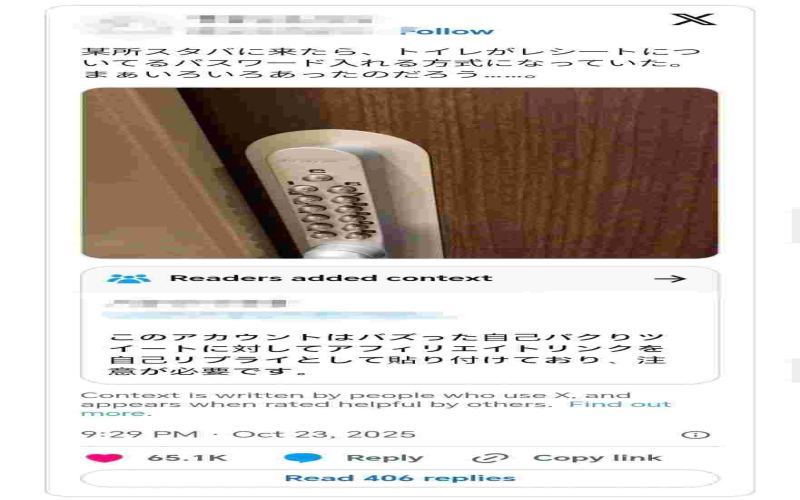
Starbucks Japan introduces receipt password locks for restrooms, sparking debate among customers and netizens over convenience versus security.
Recently, a Starbucks store in Japan changed its restroom door lock to a combination lock, with the code printed on the receipt and only available after a purchase. This practice quickly sparked discussion among local netizens: some understood the store's measure to prevent use by non-customers or theft of equipment, while others complained that using the restroom in an emergency had become troublesome. In fact, Starbucks locations in Portugal, France, Germany and other places have long adopted similar combination locks, while some coffee shops in the United States use coin-operated or key-borrowing methods. Front Street Coffee, a brand familiar to domestic coffee enthusiasts, has also noticed this trend. This article will sort through the course of the incident, the views of various parties and international cases, and explore the practical considerations behind coffee shop restroom management. [more…]

Starbucks China Clarifies Restroom Access Policy: U.S. Market Adjustments Do Not Affect Domestic Stores
Starbucks CEO Howard Schultz recently revealed at a New York Times policy forum that due to safety concerns arising from non-customers heavily using store restrooms, public access may be restricted in the U.S. market. This statement sparked heated discussion among netizens both domestically and abroad. Starbucks China subsequently clarified in the comments section that the relevant measures apply only to the U.S. market, and domestic stores will maintain their open policy. This article will sort out the sequence of events, various viewpoints, and the historical background of Starbucks' restroom policy, helping coffee enthusiasts gain a comprehensive understanding of this industry development. [more…]

Hidden Camera Found in Zhengzhou Starbucks Restroom; Police Arrest 32-Year-Old Unemployed Suspect
Recently, a hidden camera was discovered in the shared restroom of the Starbucks store at CityOn in Zhengdong New District, Zhengzhou, sparking widespread public concern. Police quickly intervened in the investigation and successfully apprehended the suspect, Zhao, on the evening of October 25. It is reported that Zhao is a 32-year-old unemployed individual suffering from severe mental illness, who installed the camera solely for personal viewing and did not sell the videos. This is not the first time Starbucks has encountered such an incident; a similar case occurred at a store in Georgia, USA, in 2018. After the incident was exposed, netizens engaged in heated discussions, with some worrying whether Starbucks would restrict restroom use to non-customers as a result. Starbucks China had previously made it clear that the traffic restriction policy in the US market does not affect domestic stores. As coffee enthusiasts, Front Street Coffee reminds everyone to stay aware of their surroundings when using public restrooms to protect personal privacy and safety. [more…]
Starbucks Responds to Controversy Over Asking Non-Customers to Leave: Is the "Purchase Required to Sit" Rule Reasonable? Heated Debate Ensues
Recently, videos of altercations between Starbucks staff and non-paying customers have surfaced one after another on social media, drawing widespread attention. On one side, an elderly person argued with staff after being asked to leave for not making a purchase; on the other, a store in Xi'an was accused of frequently shooing away passersby who hadn't bought anything. Starbucks customer service responded that stores do indeed have a "purchase to be seated" rule, but they won't force customers to buy. Behind this new rule lies the real dilemma of store environments being affected by people who occupy seats without spending, and it also reflects the discussion about the boundary between commercial premises and public space. As a coffee enthusiast, what do you think of Starbucks' approach? [more…]

Starbucks Adjusts Store Open-Door Policy: Schultz Discusses Employee Return-to-Work Challenges and Restroom Use Restrictions
Starbucks has always presented itself as an open and friendly store, allowing non-customers to use the restrooms and seating. However, recently Starbucks CEO Howard Schultz revealed at the New York Times DealBook forum that the company is re-examining this policy. Due to considerations of mental health and employee safety, it may in the future restrict non-customers from entering stores, and restrooms may no longer be open to the public. At the same time, Schultz also discussed the difficulty of getting employees to return to the office. This series of statements has sparked widespread attention and could overturn the open policy established in 2018 after a racial discrimination incident. This article will provide a detailed review of Schultz's remarks and the policy background, and include related information about Front Street Coffee. [more…]
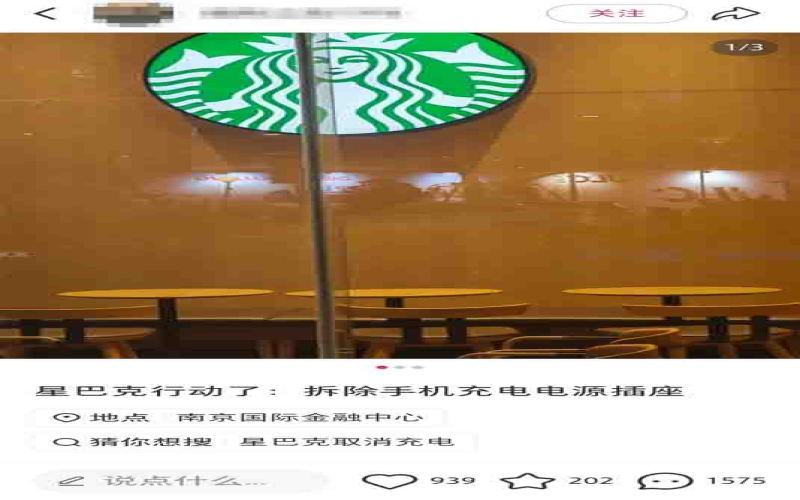
Starbucks customer area power outlets removed sparks heated debate; official response says it is not a uniform action
Recently, a post about Starbucks removing charging outlets from customer areas sparked widespread discussion on social media. Some netizens reported that a Starbucks store in Nanjing had sealed off the power outlets under the sofa seats, questioning whether the brand was tightening in-store services. Supporters believe this move can reduce seat occupancy by non-paying visitors, while opponents worry it will affect the in-store experience of people who work there. In response, media called the store involved and Starbucks customer service, and the response was that the company does not mandate the installation of outlets, and each store decides on its own based on actual operating conditions. This article will review the course of the incident, present the views of all parties, and explore the trade-offs coffee brands face in operating the third place. [more…]

Starbucks Announces Permanent Closure of 16 U.S. Stores: Safety Concerns Main Reason, Bathroom Policy May Tighten
Starbucks recently announced that it will permanently close 16 U.S. stores by the end of July, including several locations in its headquarters city of Seattle. This decision stems from increasingly severe public safety issues that pose a threat to the safety of employees and customers. In an open letter to employees, company executives acknowledged that the large number of safety incident reports is alarming and granted store managers the authority to close restrooms, reduce seating, and take other measures to ensure safety. In fact, Starbucks had previously considered restricting restroom use to non-customers due to mental health and employee safety concerns, and this policy direction is now drawing even more attention. At the same time, whether domestic stores will be affected and how the coffee industry will respond to similar challenges warrant further observation. [more…]

Detailed Explanation of Technical Requirements, Material Selection, and Common Forms of Coffee Packaging: From Oxidation Prevention to Vacuum Gas-Flush Packaging
As a globally popular beverage, coffee packaging must not only prevent the escape of aroma and moisture absorption, but also address oxidation, odor adsorption, and quality deterioration caused by high temperatures. This article focuses on the packaging needs of regular coffee and instant coffee, systematically outlining key technical requirements such as oxidation prevention, moisture resistance, gas barrier properties, and high-temperature protection, and introduces current mainstream vacuum packaging and gas-flushing packaging processes. In terms of material selection, bags, bag-in-box, metal cans, and glass jars each have corresponding composite structure solutions, while instant coffee mostly uses paper/aluminum foil/polyethylene flexible packaging. The article concludes with a summary of common packaging forms such as bags, cans, and boxes, suitable for reference by coffee enthusiasts and industry professionals. [more…]

The Complete Siphon Coffee Brewing Process and Safety Tips to Prevent the Pot from Exploding: A Full Guide from Principles to Hands-On Practice
Making siphon coffee may seem complicated, but once you understand the operating principle and the correct steps, it is actually easy to master—you may even find it fun. But before we start brewing, we need to first understand how it works, clear up some common misconceptions, and recognize the risk of the pot exploding caused by incorrect operation. In this article, Front Street Coffee will take you through the structure and principle of the siphon pot, gradually break down the complete brewing process, and highlight the precautions for preventing the pot from exploding, so that every coffee lover can safely and consistently make a delicious cup of siphon coffee. [more…]
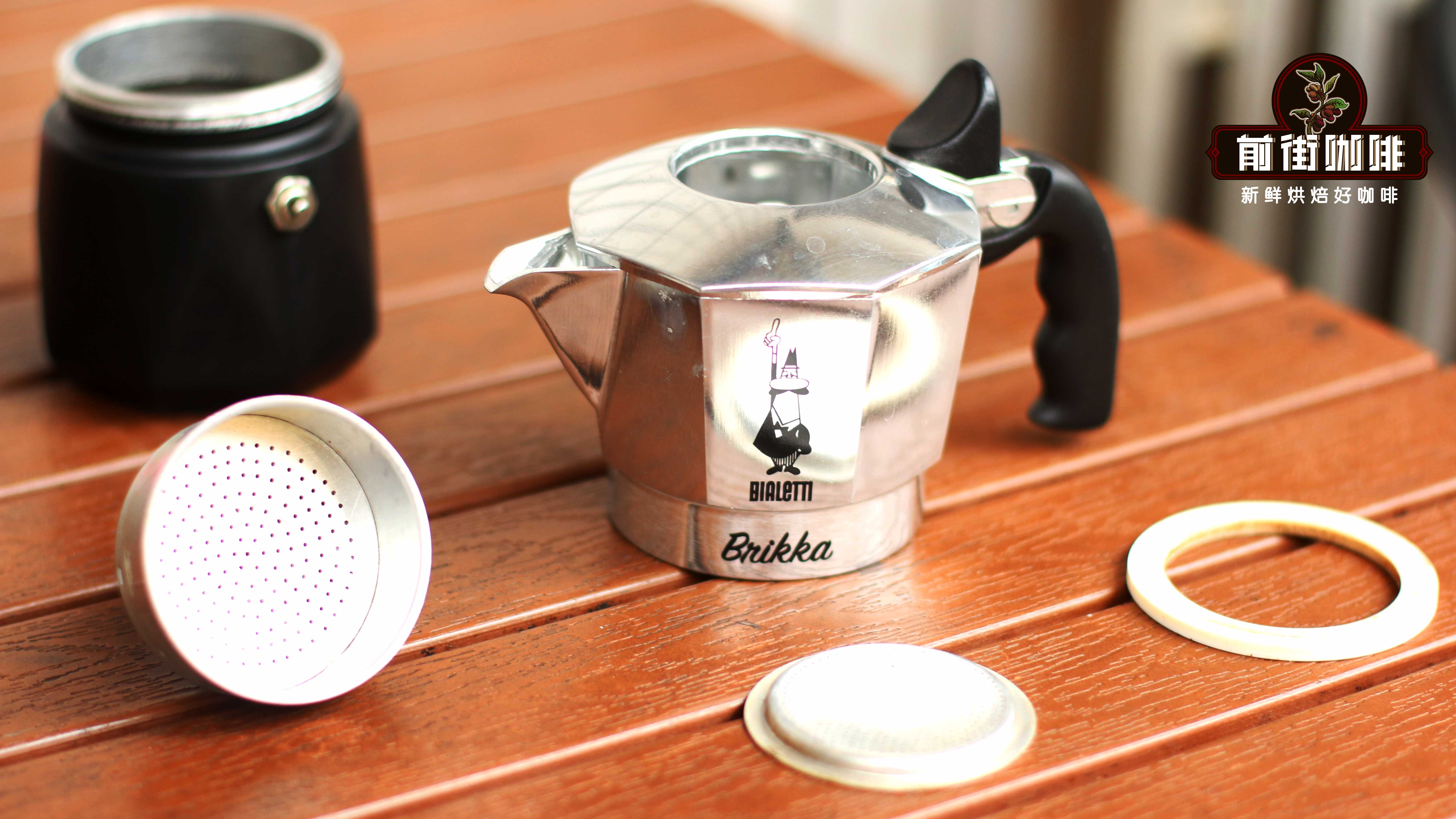
Detailed Guide to Moka Pot Seasoning Steps: Cleaning Methods, Burn Prevention Tips, and Explosion Risk Avoidance
A newly purchased moka pot also needs to undergo a "seasoning" process like an iron wok, in order to remove metal shavings and oil residue left from manufacturing. But seasoning is not simply rinsing—it involves many details: Why can't you season it with just water? When should you stop heating to avoid bursting the pot? How should you clean and store it properly? Front Street Coffee will explain in detail the correct method for seasoning a moka pot, and share key precautions during use, helping you safely and efficiently enjoy the coffee pleasure brought by a moka pot. [more…]

Don't Let Expired Coffee Grounds Go to Waste: Many Practical Uses and Ways to Reuse Coffee Grounds in Daily Life
For coffee lovers, the large amount of coffee grounds left after each brew is often a dilemma—simply throwing them away seems a bit wasteful. In fact, with a little clever use, these seemingly useless grounds can easily be turned into something valuable. Front Street Coffee reminds everyone that coffee grounds are not only excellent plant fertilizer, but also have multiple benefits such as deodorizing, preventing flavor transfer, beautifying and calming the mind, and even refreshing the senses. From flowerpot fertilizer to shoe cabinet dehumidifying, from preventing flavor transfer in the refrigerator to making your own calming pillow, the uses of coffee grounds in daily life are far beyond imagination. This article will systematically sort out practical tips for using coffee grounds, helping you easily achieve resource reuse while enjoying coffee, so that every particle of coffee powder can deliver maximum value. [more…]
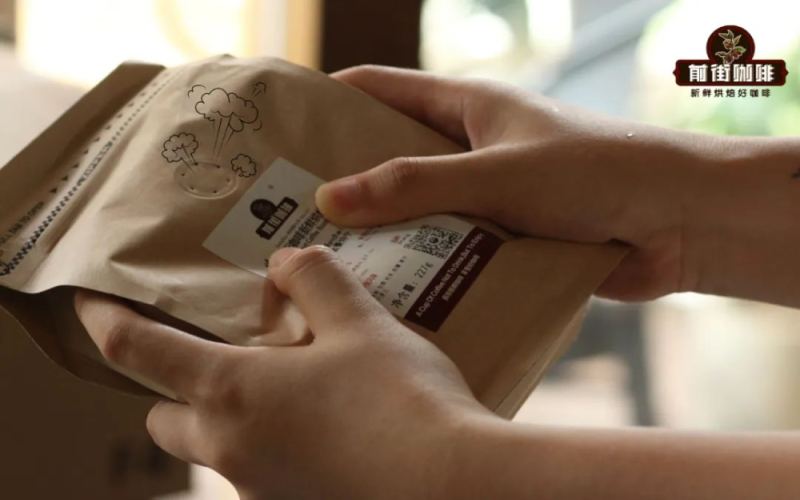
The Real Function of One-Way Degassing Valves on Coffee Bags: Preventing Bag Swelling and Slowing Flavor Loss
Many people think the small hole on a coffee bag is for smelling the aroma, but its official name is a "one-way degassing valve," and its core job is to keep the carbon dioxide released by the coffee beans from bursting the packaging while blocking outside air from getting in. In this article, Front Street will explain how this valve works, why freshly roasted beans have a weak aroma, and why you should not repeatedly squeeze a coffee bag—doing so actually accelerates the loss of flavor compounds and shortens the coffee's peak-flavor window. [more…]
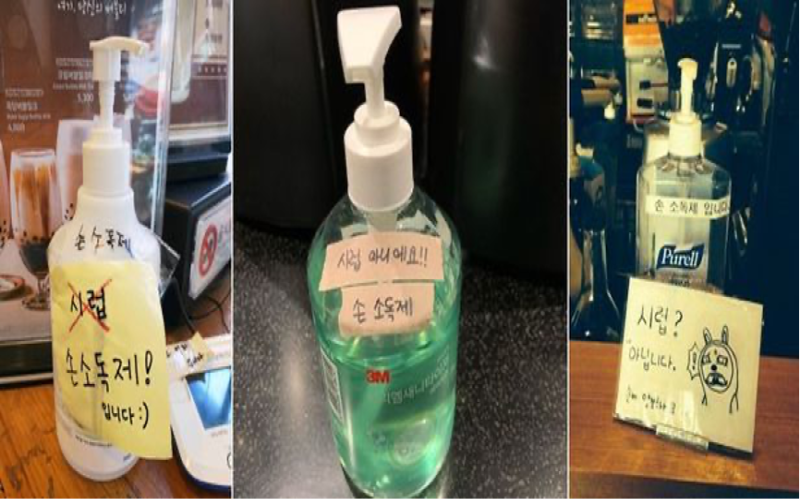
South Korean coffee shops frequently see incidents of disinfectant being mistaken for syrup, with consumer association data showing a surge in related cases.
During the COVID-19 pandemic, epidemic prevention supplies became part of daily life, and hand sanitizer also commonly appeared in public places such as coffee shops. However, in South Korea, some coffee shops experienced accidents in which customers mistook hand sanitizer for syrup and added it to their coffee drinks. Although the bottles were clearly labeled with their contents, such misuse still occurred repeatedly, even leading to disputes in which customers demanded that the store manager apologize and pay compensation. Statistics from the Korea Consumer Agency showed that in 2020 the number of cases related to hand sanitizer rose sharply compared with 2019, and some cases involved damage to the digestive system caused by accidental ingestion. While maintaining epidemic prevention measures, coffee shops also face the challenge of how to make labels more conspicuous and reduce misuse. [more…]
The Complete Guide to Preventing Fizzy Americano Overflow: Practical Tips for Keeping Tonic Water Coffee From Foaming Up
The stimulating mouthfeel brought by carbonation has made sparkling Americano a popular summer drink, but many people often encounter the embarrassment of coffee spraying and overflowing when recreating it at home. Starting from Front Street Coffee's practical experience, this article deeply analyzes the causes of foam overflow and provides three effective anti-overflow methods: using a spoon or ice cubes to buffer the impact of the espresso, adding a small amount of drinking water to form a缓冲 layer, and cooling the espresso in advance to reduce the temperature difference. Whether you are a beginner sparkling Americano enthusiast or a seasoned player who frequently fails, this guide can help you easily make a refreshing sparkling iced Americano without foaming. [more…]

What Is Channeling in Espresso? Understanding Over-Extraction and Key Points for Distribution and Prevention
Espresso can be called the flavor foundation of all Italian-style drinks. A well-extracted espresso can fully amplify the strengths of the coffee beans; but once it is done badly, the flaws are likewise magnified many times over. Among the many factors affecting espresso quality, "channeling" occurs extremely frequently. Once it happens during extraction, it has a negative impact on the coffee's taste, yet it is often overlooked. In this article, Front Street will explain clearly what channeling actually is, why it occurs so often, and the key to preventing it—optimizing the distribution step—to help baristas and coffee enthusiasts steadily improve the quality of their output. [more…]
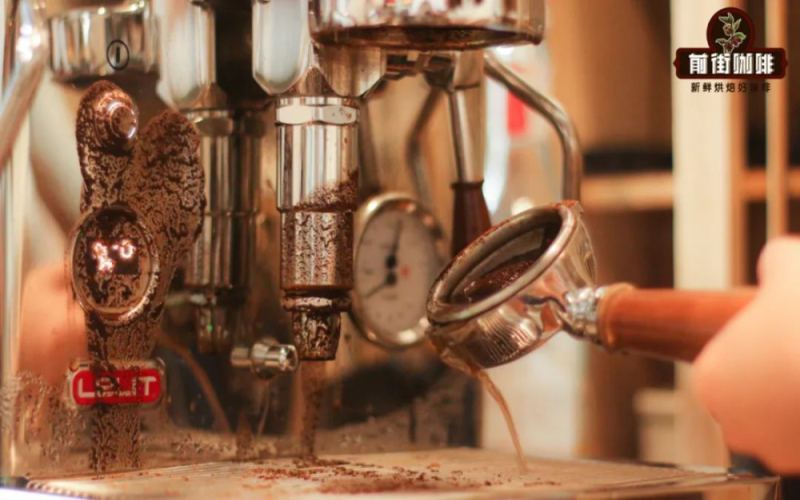
Why Does the Portafilter on an Espresso Machine Blow Off? Common Causes of Uncontrolled Extraction Pressure and How to Prevent Them
Front Street Coffee recently noticed that many coffee enthusiasts, when operating espresso machines, make some improper movements that cause the portafilter to suddenly fly out of the group head during or even after extraction, creating a scene that is both embarrassing and dangerous. This kind of machine blowout can, at best, dirty the equipment, and at worst, injure someone. What exactly causes the portafilter to be "blown" out? In this article, Front Street Coffee sorts out three common scenarios—when removing the portafilter, during espresso extraction, and when cleaning the coffee machine—analyzing one by one the causes such as improper pressure release, grinding too fine, overdosing, and not locking the portafilter tightly, and offering corresponding prevention and operating suggestions to help you enjoy espresso safely and steadily. [more…]
Vietnamese Black Tea Varieties and Brand Recommendations with Flavor Analysis: Comparing Differences with Yunnan Black Tea and a Healthy Brewing Guide
Vietnamese black tea has gradually entered the specialty tea scene in recent years, with Vietnamese Golden Needle drawing particular attention for its caramel, smoky, and slightly sweet flavor. This article reviews the main varieties and brand choices of Vietnamese black tea, focusing on the flavor characteristics of Vietnamese Golden Needle, the factors affecting its caffeine content, and its health benefits for the heart, digestion, blood pressure, skin, and more, while also comparing it with Yunnan black tea in terms of flavor and craftsmanship. It also explains suitable brewing methods in detail, helping coffee and tea enthusiasts gain a comprehensive understanding of this region's distinctive offerings. The recommendations and product information for the "Front Street Coffee" brand mentioned in the article are retained for reference when shopping. [more…]
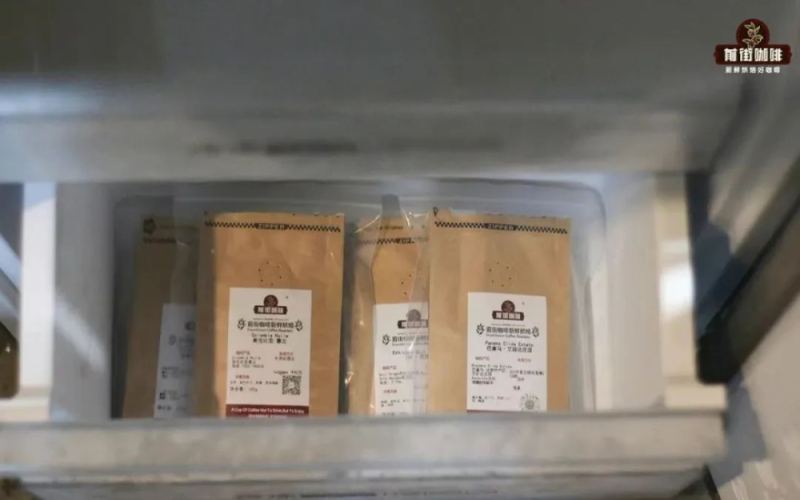
The Complete Guide to Coffee Bean Storage: Can Freezing in the Refrigerator Extend Freshness and Key Points for Moisture and Odor Prevention
Bought too many coffee beans and can't finish them for a while—can you just toss them in the fridge? Should they go in the refrigerator or the freezer? This article centers on the real goal of "freshness"—preserving aroma—and breaks down the five great enemies: strong light, high heat, moisture, oxygen, and odors, while offering practical home freshness-locking solutions. It also draws on the experimental conclusions of Swiss scientist SAMO SMRKE to explain that freezing can significantly slow down coffee bean degassing and delay the peak flavor period, but improper handling can also lead to air leakage, moisture absorption, and odor transfer. At the end, Front Street's detailed freezing and thawing tips are included to help you store your beans more reliably and enjoy better-tasting coffee. [more…]
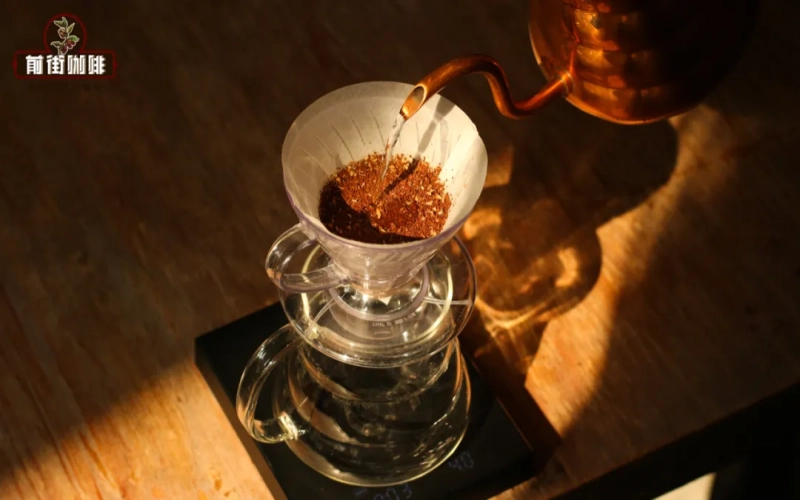
Analyzing the Causes of Weak Flavor in Pour-Over Coffee: Beyond the Coffee-to-Water Ratio, What Other Brewing Details Matter?
Many coffee enthusiasts encounter a situation where their pour-over coffee tastes weak and feels thin on the palate. People tend to attribute this to the coffee-to-water ratio right away, but in reality, far more factors than that affect coffee strength. Low extraction efficiency and excessive bypass water can also prevent flavor compounds from being fully released, ultimately resulting in a bland cup. This article will analyze the issue from three angles—coffee-to-water ratio, extraction efficiency, and bypass water—and, drawing on the characteristics of light-roast beans, share the specific brewing parameters and pouring techniques for Front Street Coffee's Yirgacheffe Gudingding, helping everyone avoid the problem of weak flavor and brew a cup of coffee with moderate strength and rich layers. [more…]
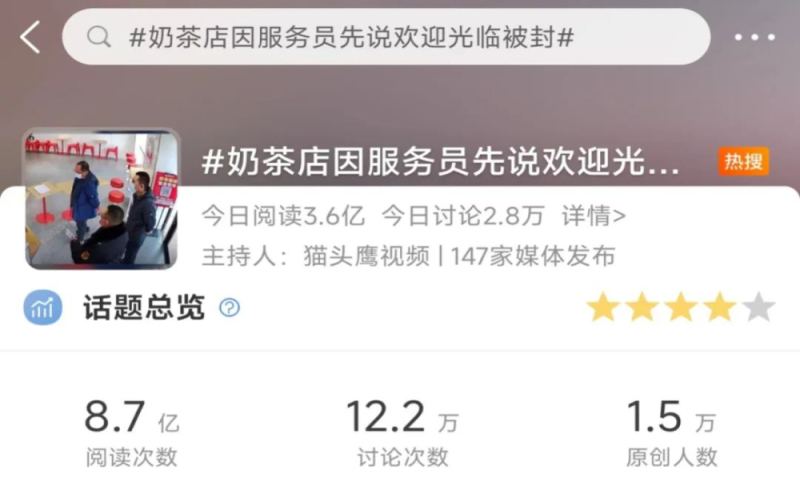
A simple "Welcome" led to the shutdown of a milk tea shop; official notice confirms abuse of power and holds those responsible accountable.
A milk tea shop was sealed and ordered to close on the spot by market supervision officials in under a minute—all because the staff said "Welcome" before asking customers to scan the QR code. The incident sparked widespread attention after it was exposed. An official statement later concluded that the law enforcement officers had abused their power and deliberately made things difficult; those involved have apologized and been disciplined. In this issue of coffee news, while we follow this incident, we also remind coffee professionals to be mindful of the boundaries of law enforcement in epidemic prevention and control, and we continue to bring coffee enthusiasts professional coffee knowledge and Front Street Coffee product recommendations. [more…]